


Emergency tree removal
Fast response to storm-damaged trees to restore safety and prevent further damage.
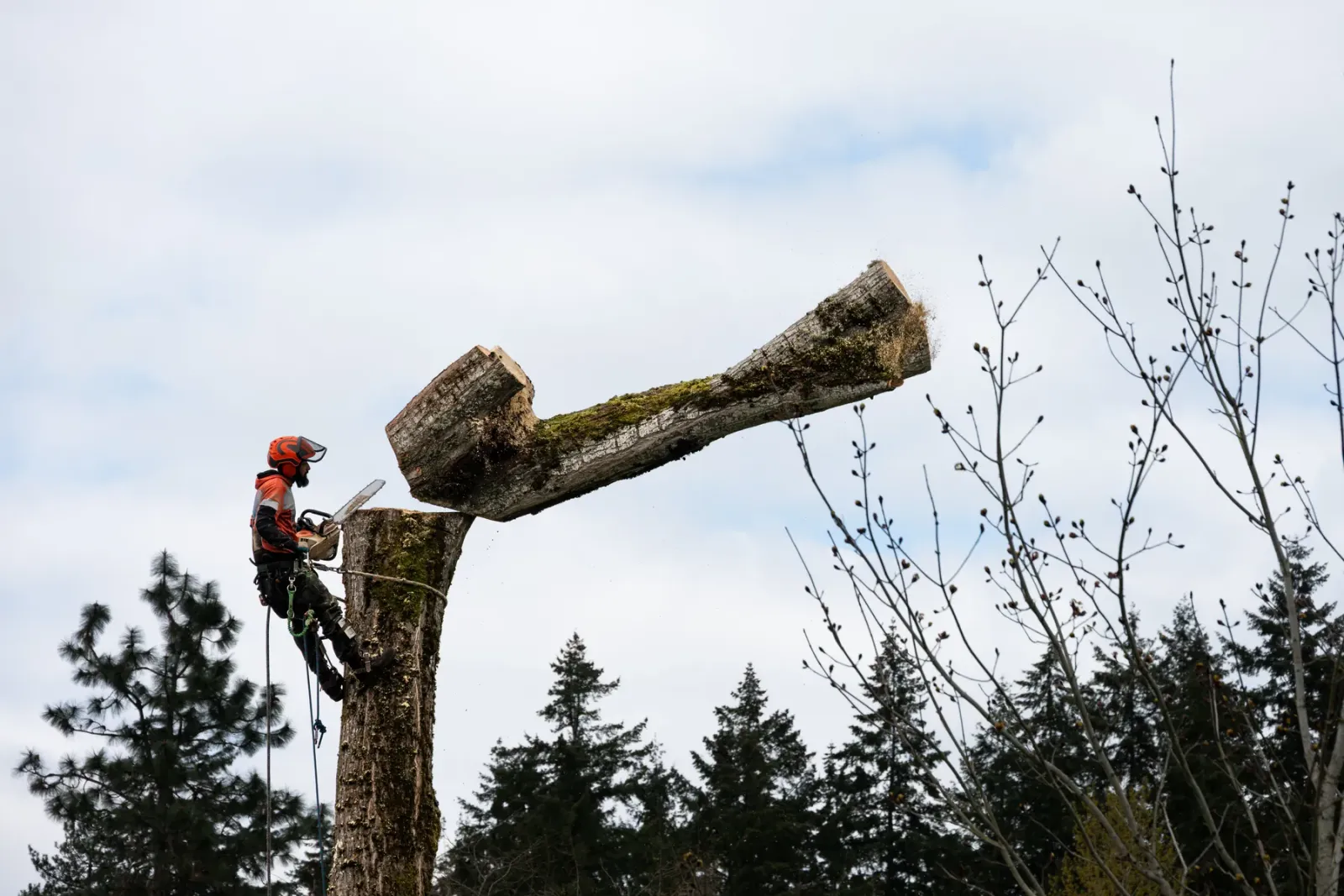
SITEWORK ACROSS NORTH GEORGIA
Clear, safe and ready: tree removal and land prep that eliminate hazards and open your property for what’s next.
FROM HAZARD TO SAFE GROUND
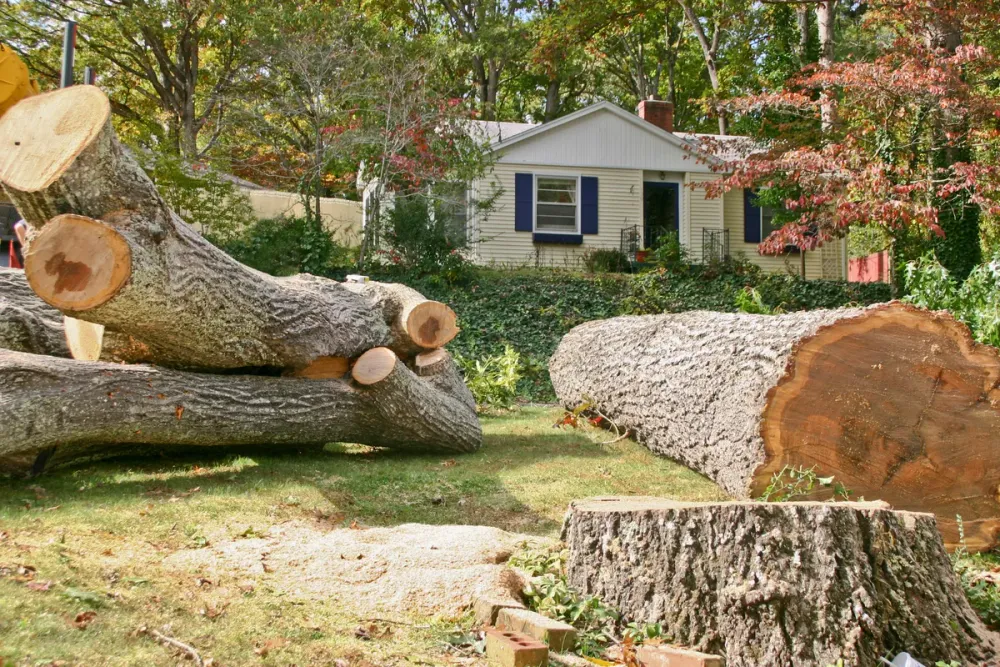
From storm-damaged trees to stumps that won't go away, we remove what's dangerous or in the way and leave the property clean and level. Every job starts with a look at the tree, what's around it, and what you want the space to become.
Georgia does not currently require a state license for tree work, so ask any company for proof of insurance before they start. Removal permits are set locally, and some cities, such as Atlanta and Smyrna, require one for many removals, so we check what applies to your address first.
A COMPLETE START
Fast response to storm-damaged trees to restore safety and prevent further damage.
Controlled removal of dead or dangerous trees that protects surrounding structures and landscape.
Precise trimming that maintains the health and appearance of your trees and reduces potential hazards.
Stumps ground down or removed to leave a clean, level surface.
Large trees cut and removed with the right equipment and technique for the job.
Dense vegetation and underbrush removed to open up land and improve access.
BEFORE THE FIRST CUT
A few Georgia rules worth knowing before any tree comes down.
Under Georgia's consumer protection guidance, the owner of the property where a tree lands is generally responsible for the damage, unless the tree's owner knew or should have known it was dead or diseased.
Tree removal rules are set locally and differ between unincorporated Cobb and the cities inside it. We check what applies before any work starts.
Georgia 811 asks for at least three business days' notice before digging, planting or grading, and the service is free.
ONE CREW. A CLEAR SEQUENCE.
 STEP 01
We assess the tree, what's around it, and the safest way to bring it down.
 STEP 02
A written scope covering removal, cleanup and stump grinding if you want it.
 STEP 03
The tree comes down in controlled sections, with surrounding structures and landscape protected.
STEP 04Stumps ground, debris hauled away and the area left clean and level.
 STEP 05
We walk the finished area with you before calling the job done.
STRAIGHT ANSWERS
Start with the tree and what you want to do. We'll help you work through the details.
ASK ABOUT YOUR PROJECTTell us about the tree and the property, and we'll get you a free quote.